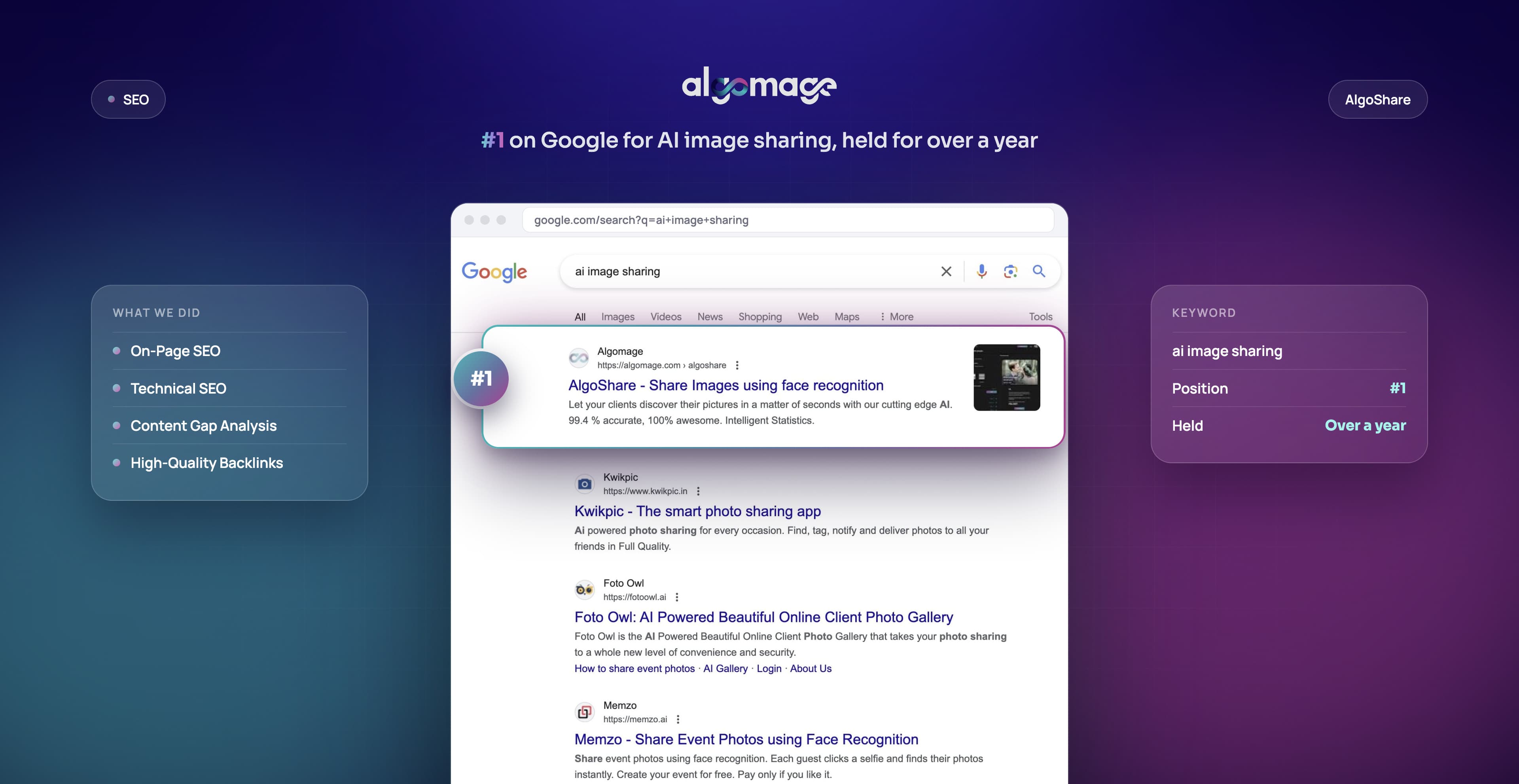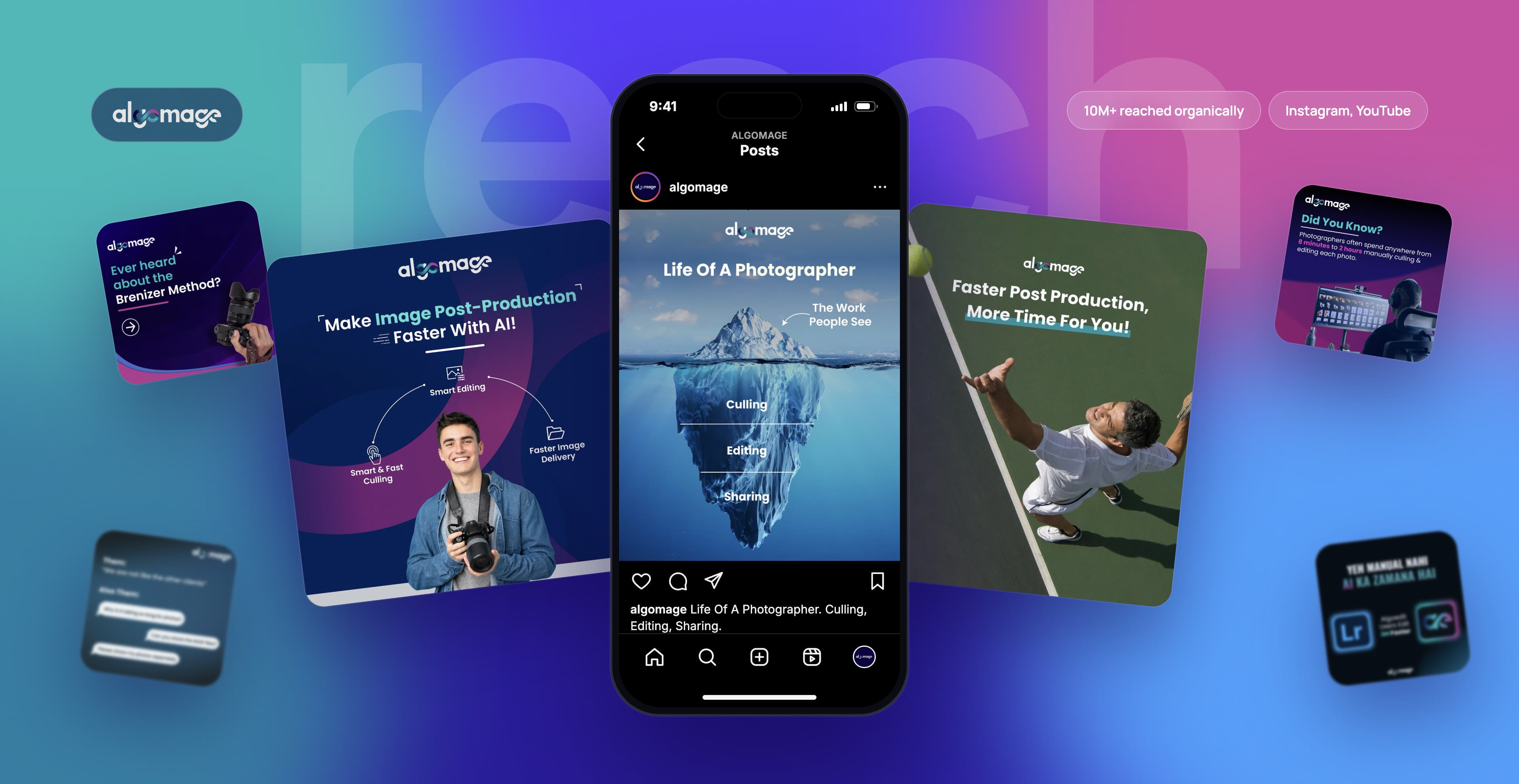











































Social for B2B SaaS is a distribution problem, not a brand-awareness one. Nobody buys workflow software because a Reel was entertaining. They buy because somebody on the evaluation team already recognised the name, already read something that explained their problem better than their vendor did, and already trusted a person attached to the company. That recognition is built on LinkedIn, mostly through people rather than logos, over a cycle measured in quarters. It is also why the consumer playbook of posting cadence, trending audio and follower growth transfers badly. Baclinc has run organic distribution at scale since 2017, including the Marathi-first content programme that reached 10 million people organically for Algomage, an AI image-sharing SaaS.
The structural fact that governs B2B SaaS social is that almost nobody who sees a post is in the market that week. Buying happens when a contract renews, a team grows, a tool breaks or a budget opens, and none of those are things content can trigger. What content can do is make sure that when the trigger arrives, your name is already in the room. That is a memory objective, and it changes the plan: consistency over months matters more than volume in any given week, and a recognisable point of view matters more than breadth of topics. The second structural fact is that the reader is often a peer who could do your job. A practitioner audience detects vagueness immediately, so specificity is the credibility mechanism - a real number, a real constraint, an honest limitation. The third is that Indian SaaS companies frequently sell to buyers outside India, which affects posting time, reference examples and the compliance topics that need covering. The fourth is that comment threads are read far more than they are written in, so a well-answered objection reaches an audience larger than the post's engagement suggests.