
























































Procurement research has quietly moved. A sourcing manager looking for a manufacturer of a particular molecule in a particular dosage form increasingly asks ChatGPT, Claude, Gemini or Perplexity to produce a shortlist before opening a browser, and the assistant answers from whatever it can actually read. For most Indian pharmaceutical manufacturers that is nothing, because the entire product catalogue is a scanned PDF and the certifications live in an image. The competitors that do get named are the marketplaces and the aggregators. Answer engine optimisation for a supply-side pharma business is mostly a data legibility problem: making your molecules, strengths, plants and certifications machine readable, and getting your name into the third party sources these systems trust.
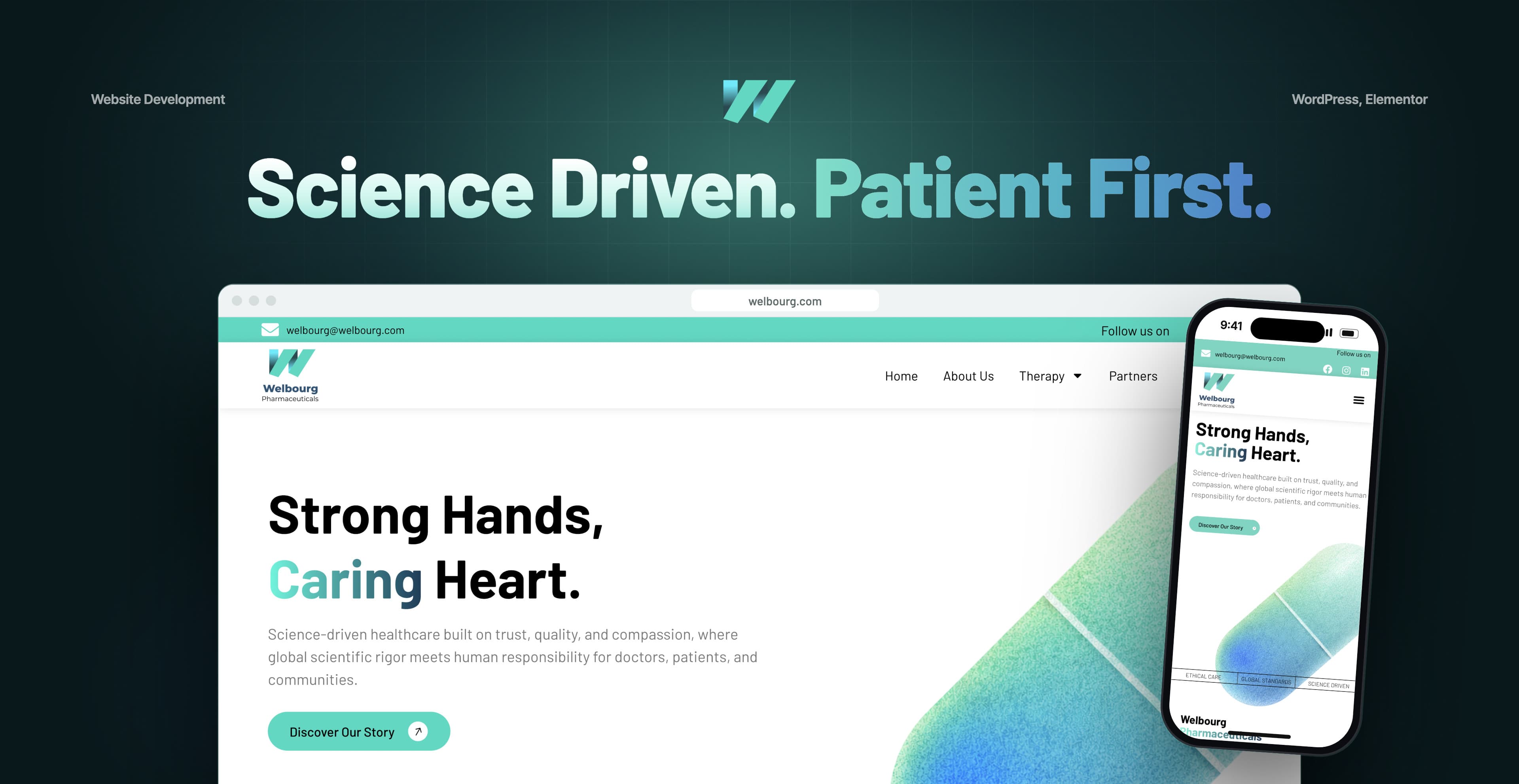
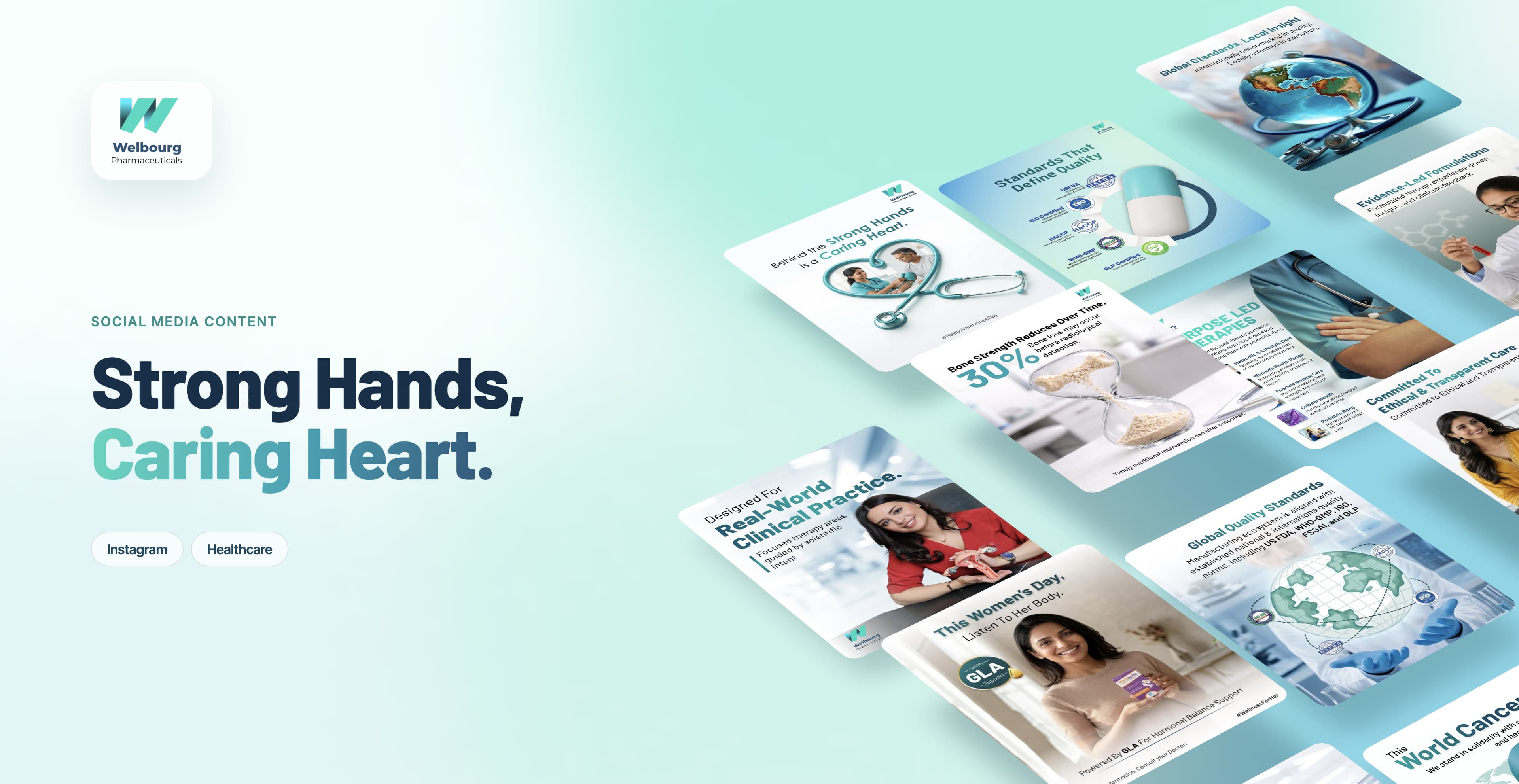
Pharmaceutical supply is one of the categories where answer engines currently perform badly, and that is the opportunity. Ask an assistant to list Indian manufacturers of a specific molecule and dosage form and it typically returns a few large listed companies plus a marketplace, because those are the only entities with enough readable public data. Mid-sized formulation businesses with genuine capability are absent, not because they lack authority but because their catalogue is a PDF, their certifications are a row of logos, and their plant details appear only on a corporate brochure. The fix is mechanical rather than mysterious. Structured product pages per molecule and dosage form give the model something to read. Certification stated as text and mapped to specific plants gives it something to filter on. Consistent entity data across your site, industry directories and trade databases gives it corroboration from a second source, which is what most systems require before naming a supplier. Export and CDMO queries differ slightly, since assistants asked about contract manufacturing partners weight stated capability, capacity and regulatory track record, which are narrative rather than catalogue data. We have worked with multiple brands in this category since 2017, including the published Welbourg Pharma work, and can share specific names and numbers on request.