


























































Travellers and diners increasingly ask LLMs: 'best restaurants in X city', 'rooftop bars in Mumbai', 'boutique hotels Goa'. AEO for hospitality is engineering venue pages, food-blog content, and destination editorial for LLM citation. What makes this vertical distinctive is that hospitality answers are almost always lists. A model asked where to eat in a neighbourhood returns a handful of venues with a line of justification each, which means the objective is not a ranking position but inclusion in a shortlist, and the justification the model attaches to your name is decided by whatever concrete detail it can find about cuisine, price band, occasion fit, location and reputation. Venues that state those facts plainly get described accurately, and the rest get described from whatever an aggregator happened to publish.
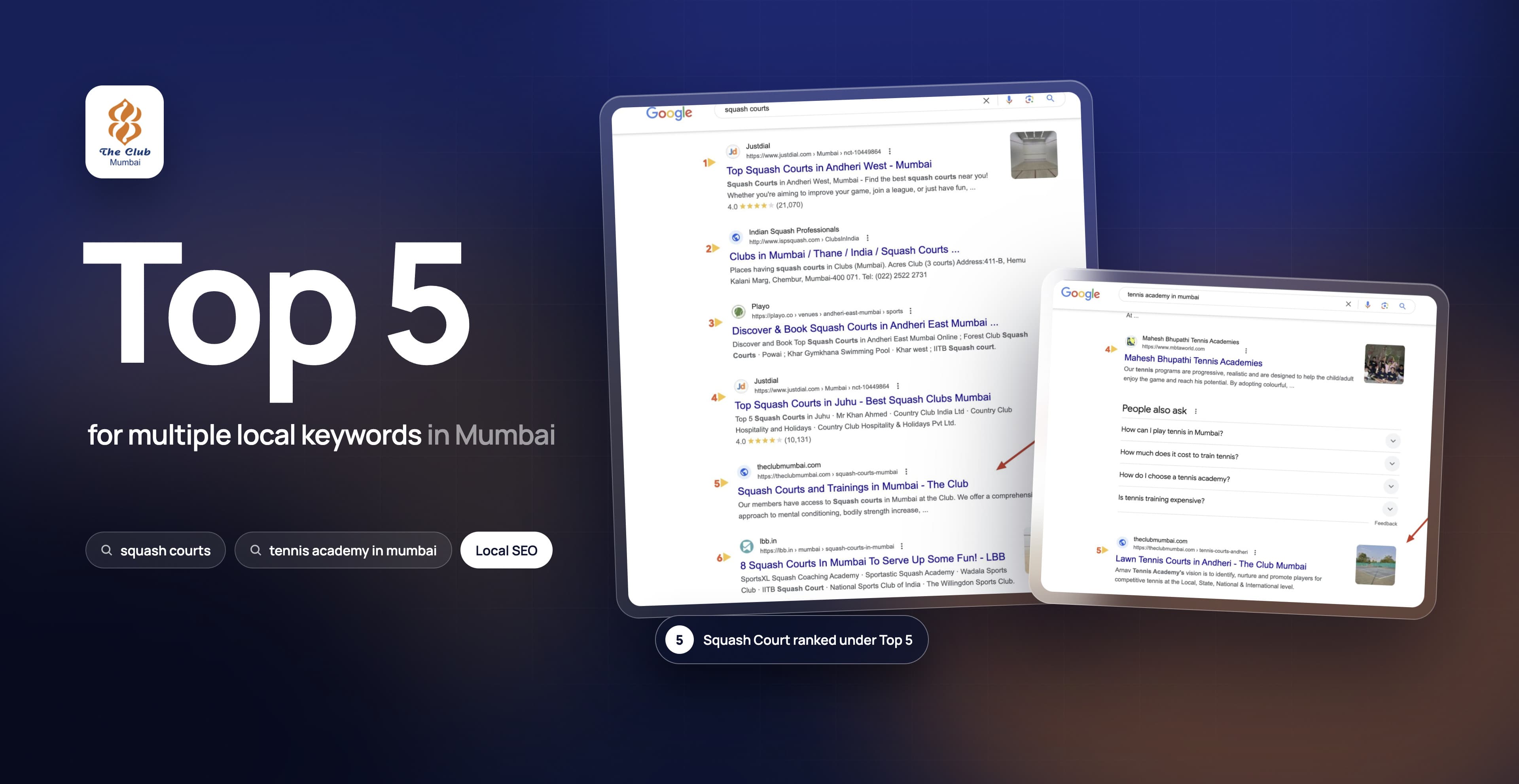
Hospitality LLM queries: local-best-of, occasion-specific ('date night Mumbai', 'family-friendly Goa'), cuisine-specific ('best Italian in Bangalore'), destination planning. LLMs weight LocalBusiness schema, reviews count, and specific factual details (cuisine, price range, location). Reviews aggregated across Google, Zomato, TripAdvisor matter. The dependency on third-party sources is heavier here than in almost any other vertical, because a model answering a dining question leans on Google, Zomato, TripAdvisor and local publications far more than on the venue's own website. That makes profile completeness, review recency and consistency of name, address, timings and cuisine across every platform a direct input into whether you get cited and whether the description is correct. It also means the failure mode is often a stale fact rather than an absent one, and we regularly find venues being recommended with a closed outlet's address or a menu format they abandoned two years ago. The Club Mumbai is our named hospitality client, run out of the Powai office.