


























































Hospitality websites need three things: fast, visual (images dominate), and booking-integrated. For restaurants: menu, gallery, reservation form, WhatsApp link, GBP integration. For hotels: room catalog, PMS-integrated booking engine (Cloudbeds, RMS, IDS), gallery, destination content. Direct-booking conversion is where margin lives - every % from platform to direct saves 15-25%. Those three requirements pull against each other, which is the whole difficulty of the build. Photography sells the venue but destroys load times on a phone connection, and most hospitality sites we inherit are heavy enough that a guest on mobile data abandons before the gallery renders. Getting the images to feel generous while the page loads quickly is the actual engineering problem, and it is worth more than any redesign of the layout.
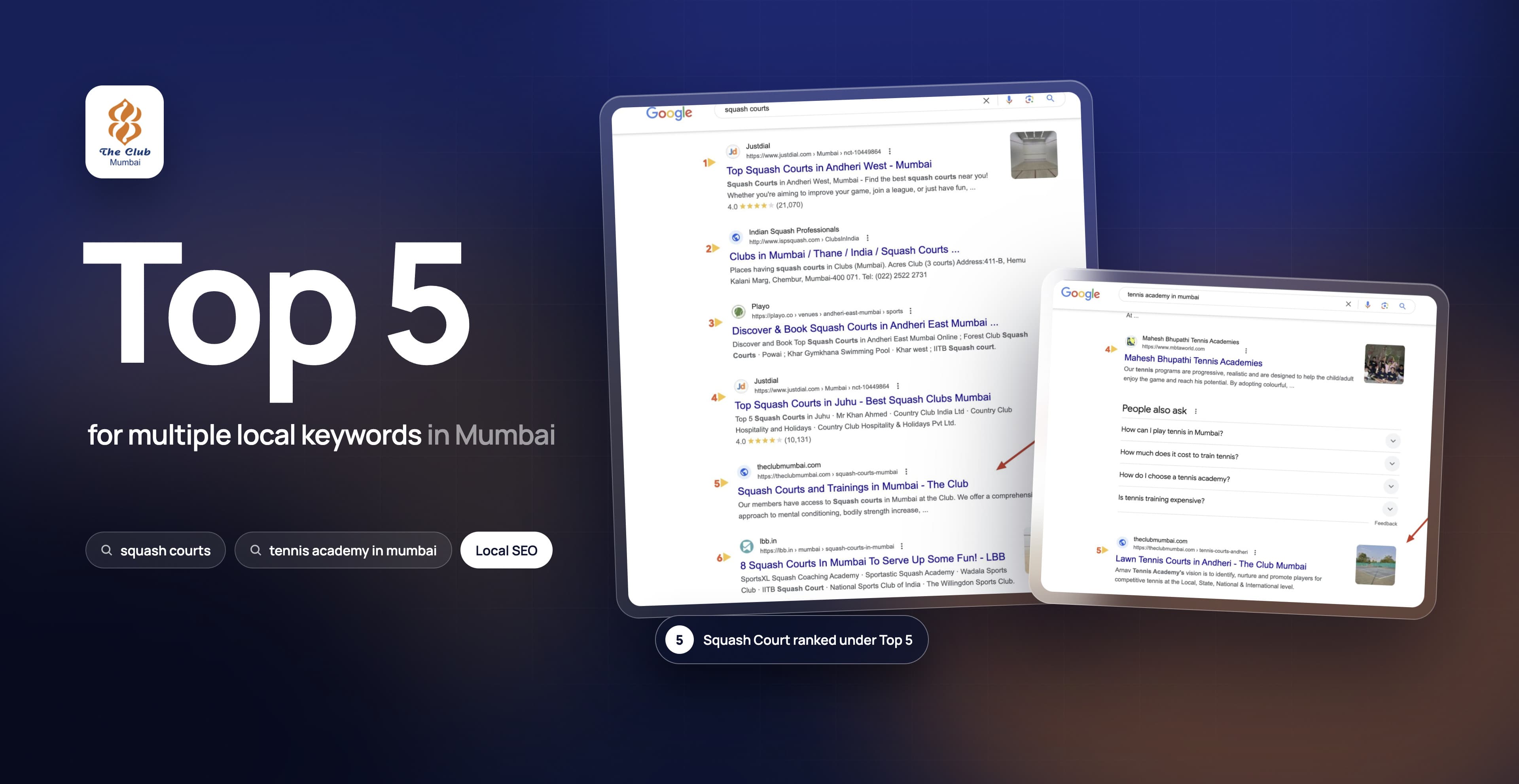
Hospitality web stack: Next.js or WordPress for marketing + booking engine integration. Restaurants: reservation form + WhatsApp + GBP booking link. Hotels: PMS-integrated booking engine (Cloudbeds, RMS Cloud, IDS, STAAH) with room availability + payment + confirmation. Image pipeline critical - venue photography dominates page weight. The behavioural pattern the build has to serve is that hospitality traffic is overwhelmingly mobile and overwhelmingly impatient: a guest looking for timings, a menu, a phone number or directions wants them in one tap from the homepage, and burying those behind navigation is the most common conversion failure we correct. Hotels add a second problem in rate parity, because a direct booking path that shows a higher price than the OTA the guest just left will not convert regardless of design quality, so the site work has to be planned alongside distribution and pricing decisions rather than after them. We build these from the Powai office and count The Club Mumbai among our hospitality clients.