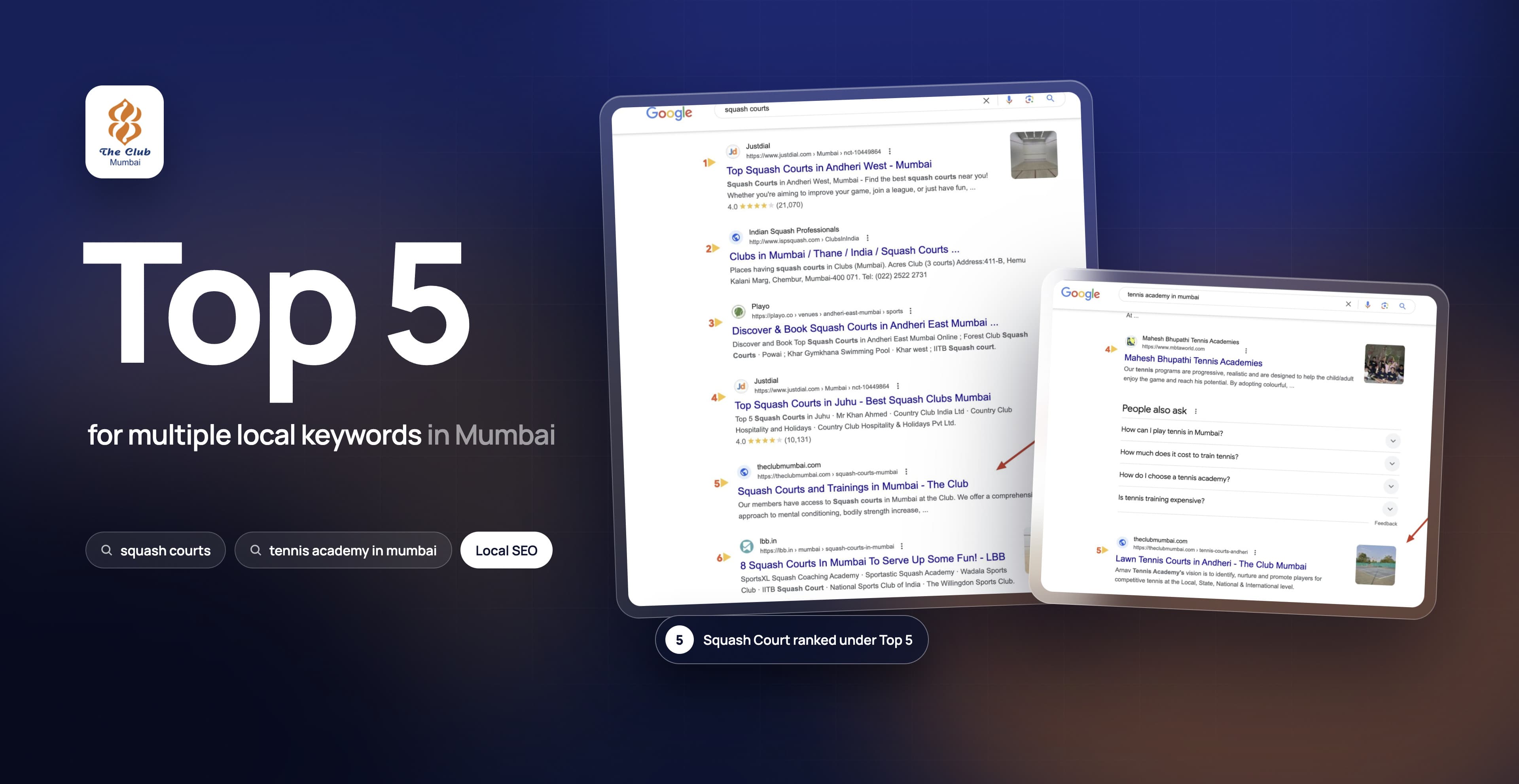



























































Hospitality content is chef-led and venue-led. Menu descriptions that evoke and convert, venue editorial (architecture, sourcing, story), chef profiles, food-blog content for local SEO ('best X in Y city'), hotel destination storytelling. We write 4-8 pieces/month for restaurants, 6-10 for hotels, integrated with Zomato/MMT/GBP content strategy. The commercial logic is that hospitality content works closer to the booking than most editorial does. Someone reading a neighbourhood dining guide or a page about what a hotel is near is deciding where to spend an evening or a weekend, not researching a category for later, which is why the content has to carry the practical detail - timings, price range, how to reserve, what is actually within walking distance - rather than atmosphere alone.
Content for hospitality: menu copy (PDP equivalent, CRO-focused), venue editorial (brand depth), food blog (local SEO), chef/team profiles (credibility), destination/experience storytelling (hotel). Cross-platform content: Instagram captions, Zomato descriptions, GBP posts, MMT listing copy. Named authors (chef, sommelier, GM) outperform anonymous content for engagement and trust. The distinction that matters most in planning is between restaurant and hotel content. A restaurant's written content is a support layer beneath profile and social work, so a small number of high-intent pieces covering occasions, area guides and menu depth is usually the right scope. A hotel carries a genuine editorial programme, because destination and experience content answers questions a traveller has weeks before booking and gives the property something to rank on that the OTAs do not own. Both need the content synchronised across the website, Google Business Profile and the aggregator listings, since divergent descriptions and outdated menus across those surfaces are the most common problem we inherit.